


Please select your location so we can direct you to the correct store.

What is a dehumidifier?
If you’ve ever noticed condensation on your windows, a lingering musty smell, damp patches on walls, or laundry that never quite dries indoors, you’ve already experienced the problem a dehumidifier is designed to solve.
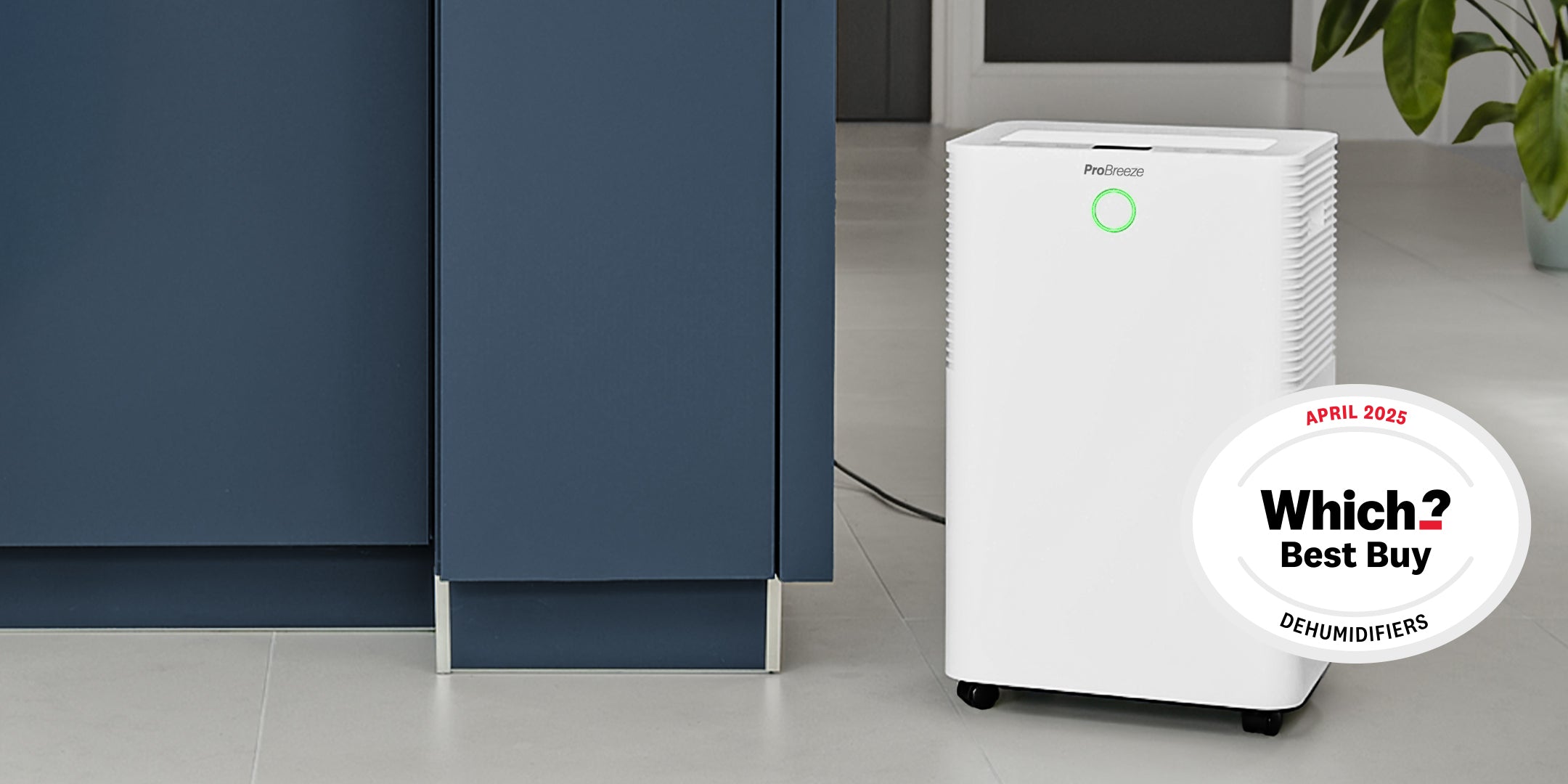
A dehumidifier is a home appliance that removes excess moisture from the air. Reducing humidity levels in your home (the amount of water vapour in the air) helps create a more comfortable living environment, reduces the conditions that damp and mould thrive, and can make everyday tasks, like drying clothes, simpler and faster.Think of it as comfort you can feel, and a home you can manage more easily.

The quick definition
A dehumidifier is a device that pulls moisture out of the air and collects it in a tank (or sends it down a drain), leaving the air drier and more balanced.That’s it. No mystery, no jargon.

Why does humidity matter in a home?
Humidity isn’t “good” or “bad” by itself. But when it’s too high for too long, your home can start to feel uncomfortable and harder to manage.High humidity can lead to:
- Condensation on windows and cold walls
- A persistent musty smell
- Damp patches and peeling paint
- Mould growth and mildew spots
- That “heavy” or clammy feeling in the air
- Slower laundry drying, especially in winter
- Moisture damage to soft furnishings, books, or stored items
A dehumidifier helps restore balance, keeping the air fresher and your living space easier to maintain.
How does a dehumidifier work?
Most household dehumidifiers work in a simple cycle:
- Air goes in: A fan pulls humid air into the unit.
- Moisture is removed: Inside, the dehumidifier cools the air so the moisture turns into water droplets (a bit like how water forms on a cold drink can).
- Water is collected: Those droplets drip into a water tank (or flow out through a continuous drain).
- Drier air goes back out: The dehumidifier releases the air back into the room with less moisture in it.
You don’t need to “understand the mechanics” to use one well. The takeaway is simple: it runs quietly in the background, removing moisture so your home feels more comfortable.

Do I need a dehumidifier? 8 common signs
If you’re not sure whether a dehumidifier is for you, look for these everyday clues:
- Your windows steam up often
- You wipe down condensation, but it returns quickly
- Rooms smell damp or musty
- You see mould spots in corners, behind furniture, or on ceilings
- Clothes take ages to dry indoors (and sometimes smell “stale”)
- Bathrooms or utility rooms feel wet for hours after use
- You’ve noticed damp patches, bubbling paint, or peeling wallpaper
- Certain rooms feel clammy, especially ground floors or basements
You don’t need all of these. Even one or two consistent signs can be enough to make a dehumidifier a real quality-of-life upgrade.
What if I don’t have many of these signs? Is a dehumidifier still relevant?
Yes. And this is where dehumidifiers stop being a “problem solver” and start being a comfort upgrade. Most people only discover dehumidifiers when something feels *wrong*— condensation, damp smells, slow-drying laundry. But you don’t need a major humidity issue to benefit. In a lot of homes, moisture is simply part of daily life: showers, cooking, drying clothes indoors, rainy weather, poor airflow in certain rooms, or just a naturally humid climate. A dehumidifier can be relevant even if your home feels “fine,” because it helps your space feel lighter, fresher, and easier to live in, much like the way a good lamp or a quiet fan does. Not essential in the strict sense, but once you’ve lived with it, you wonder why you didn’t do it sooner. Think of it as a “little luxury” for everyday living. A dehumidifier isn’t only there to fight damp. It can quietly improve how your home feels day-to-day:
- Fresher-feeling rooms (less stuffy, less “heavy” air)
- A more comfortable sleep environment, especially in bedrooms
- A nicer laundry routine when you dry clothes indoors, even occasionally
- A more pleasant bathroom that feels dry and calm sooner after showers
- Less lingering odours that can hang around in fabrics and soft furnishings
It’s about control, not crisis. Even if you can't see obvious signs, humidity can fluctuate from season to season, week to week, and room to room. A dehumidifier gives you a simple way to keep things balanced rather than waiting until a small annoyance becomes a bigger hassle. If you like your home to feel tidy, calm, and comfortable, a dehumidifier can be one of those “set it and forget it” helpers that improves your space without demanding attention. In short, you don’t have to “need” a dehumidifier to enjoy one. For many households, it’s not just a fix but a genuine quality-of-life upgrade.
What are the benefits of a dehumidifier?
1.
A home that feels more comfortable. Drier air can feel lighter, fresher, and less “sticky”, particularly in bedrooms, living rooms, and smaller flats.
2.
Less condensation, less damp hassle. When you reduce moisture in the air, you reduce the conditions that cause condensation and contribute to dampness.
3.
Support against mould-prone conditions. Mould thrives in consistently moist environments. A dehumidifier helps create a space that’s less hospitable to it, especially when used alongside good habits like ventilation and heating.
4.
Faster indoor laundry drying. A dehumidifier can help pull moisture from the air while clothes dry, making the whole process feel more manageable (and helping reduce that “damp laundry” smell).
5.
Protecting your home and belongings. Excess moisture can affect furniture, soft furnishings, wardrobes, and stored items over time. Lower humidity is a simple way to protect the things you live with.

What type of dehumidifier is best for homes?

Compressor Dehumidifiers
Great for everyday home humidity in most rooms, running efficiently in typical indoor temperatures.

Desiccant Dehumidifiers
Often perform well in cooler spaces (like garages) and can be a good option depending on your home setup.
How to choose a dehumidifier - A simple checklist
When you’re comparing models, focus on the things that make daily life easier:
- Room size/coverage: match the unit to the space you want to improve
- Extraction rate: how much moisture it can remove over time (bigger problem or bigger space = more capacity)
- Tank size: larger tanks mean less emptying
- Continuous drainage option: helpful if you want “set and forget” in a utility room or basement
- Noise level: important for bedrooms and living spaces
- Ease of use: clear controls, sensible modes, easy-to-empty tank
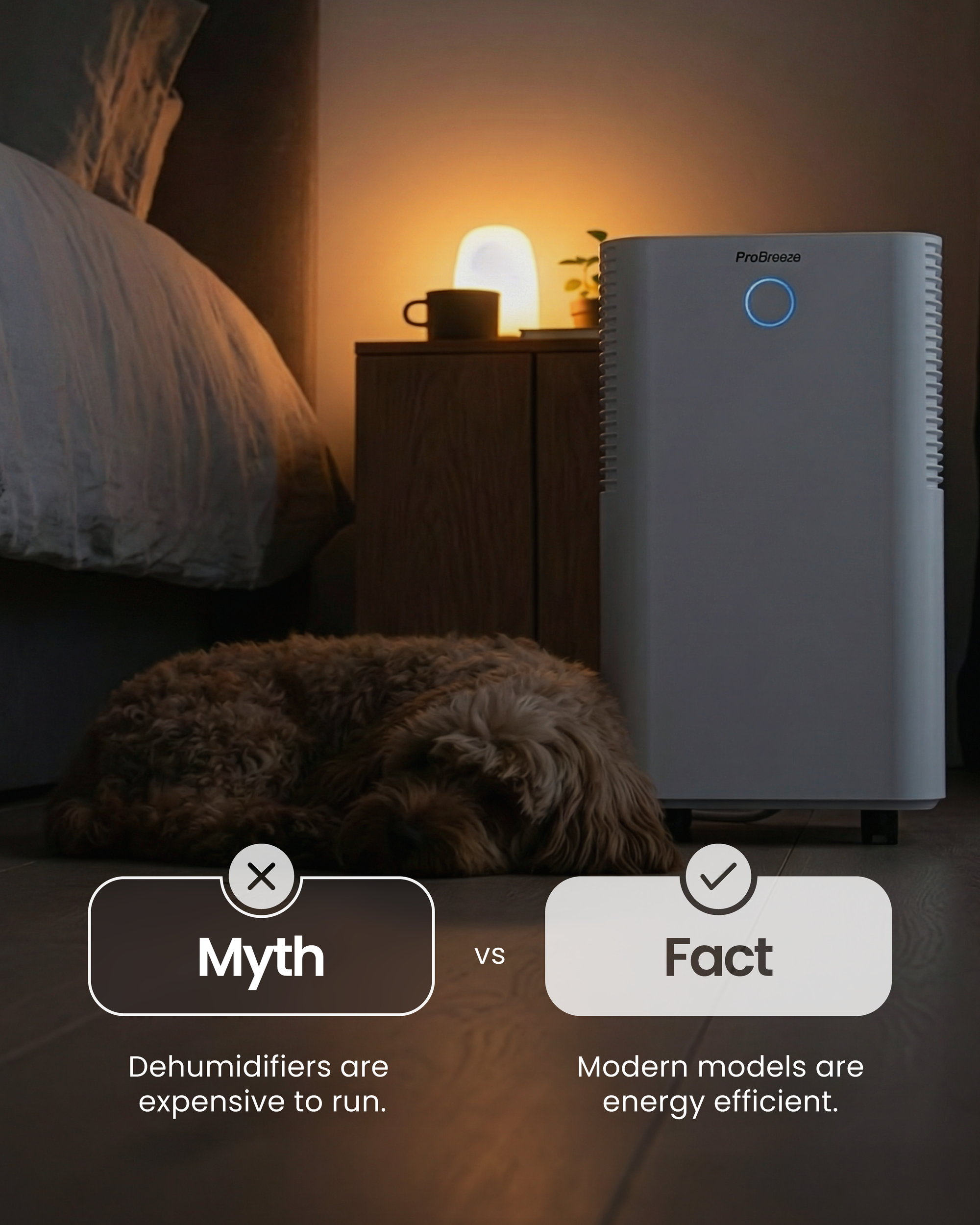
- Energy efficiency: moisture control that doesn’t feel wasteful
A good dehumidifier should feel like a quiet helper, not another job.
How to use a dehumidifier effectively - without overthinking it
A few simple habits make a big difference:
- Place it where the problem is (damp room, laundry area, or condensation-prone space)
- Give it airflow (don’t push it tight into corners or behind curtains)
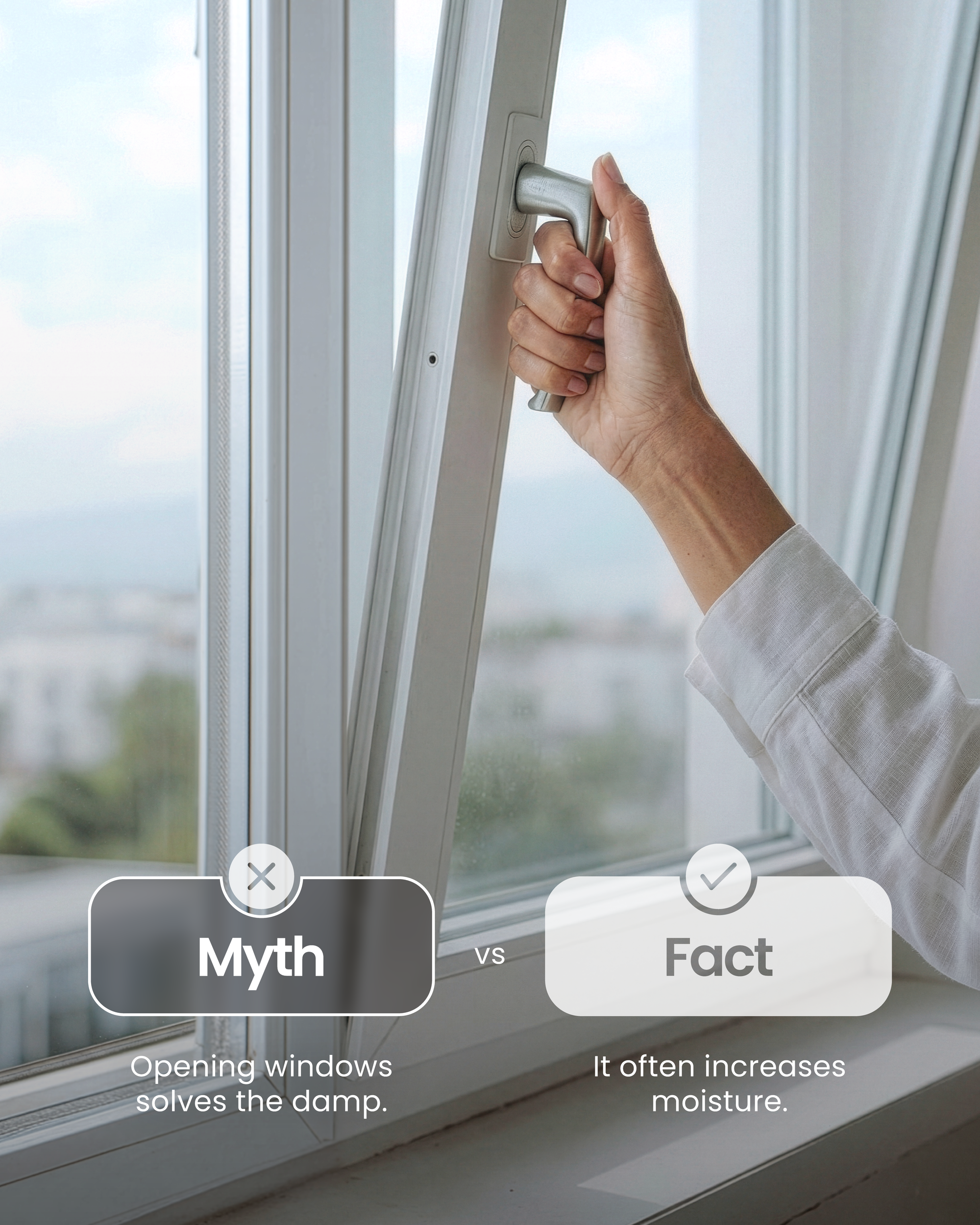
- Close windows while it’s running (otherwise you’re drying the outdoors)
- Use it consistently for a few days to feel the full effect
- Empty the tank when needed, or set up continuous drainage if your model supports it
- Keep doors open if you want it to help adjacent spaces (or focus on one room at a time if the problem is contained)
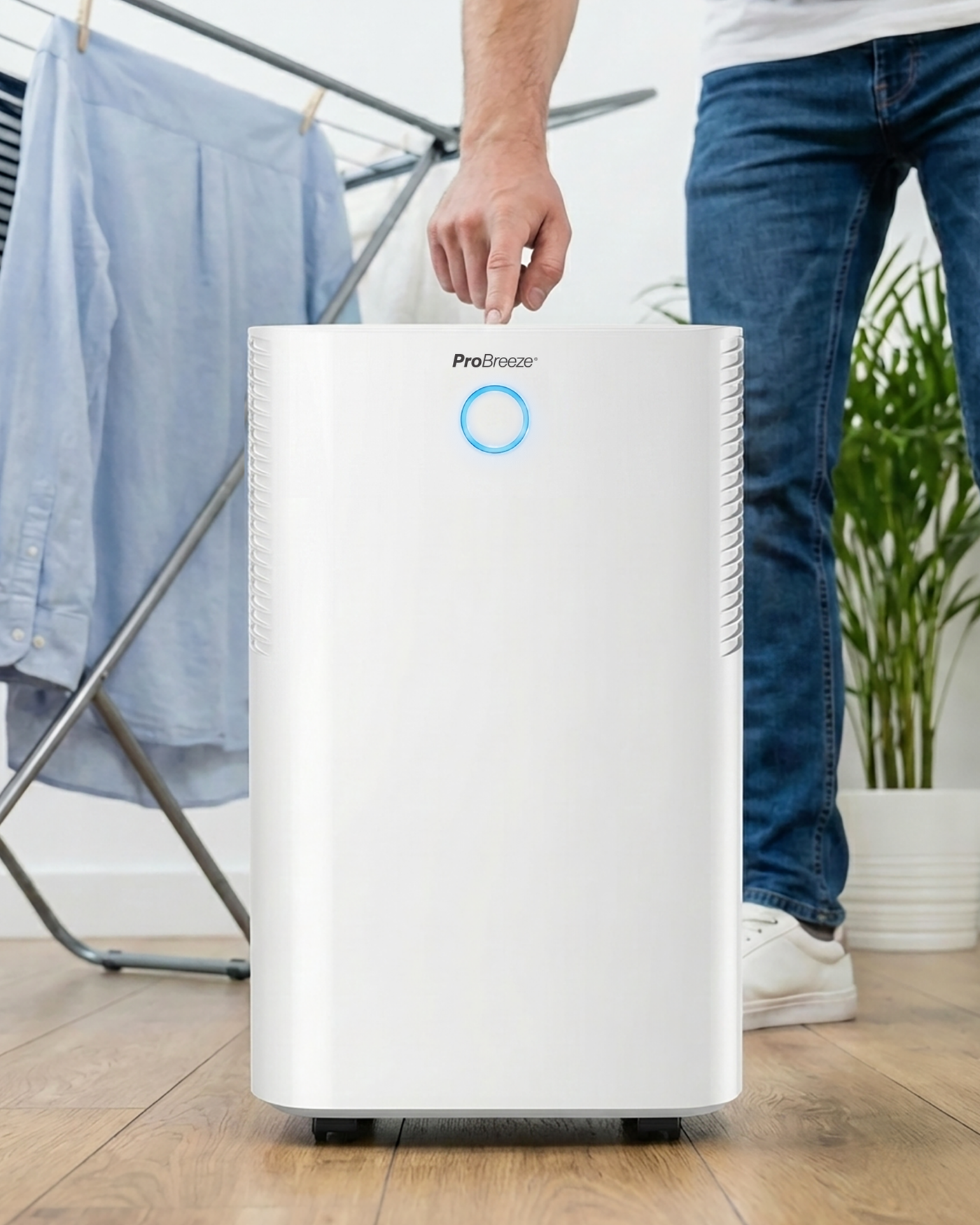
If you’re using it for laundry drying, place it safely nearby (not touching clothes) and allow normal airflow.
FAQs
It helps by reducing the moisture that mould needs to thrive. For best results, pair it with sensible ventilation and address any underlying issues (like leaks) promptly.
Yes. Condensation is closely linked to excess moisture in the air, particularly on cold surfaces such as windows.
They can make indoor drying faster and help reduce damp smells by pulling moisture from the air while clothes dry.
Running costs vary by model, room conditions, and usage time. The practical approach: use it where it’s needed most, and choose an efficient unit suited to your space.
The Takeaway
A dehumidifier is a simple, practical appliance that removes excess moisture from the air, helping your home feel more comfortable, reducing damp and condensation hassle, and making everyday routines like drying laundry easier. Whether you’re solving a clear problem or simply upgrading how your home feels, a dehumidifier can be one of those rare purchases that quietly improve daily life. Explore dehumidifiers designed for everyday homes with simple controls, reliable performance, and comfort made clear.