


Please select your location so we can direct you to the correct store.

Benefits of a dehumidifier: reduces smells
There’s a particular kind of smell that’s hard to describe, but you know it when you notice it.
A slightly damp, musty, stale scent in a bedroom. A wardrobe that never quite smells fresh. Towels that take ages to dry and end up with that lingering “wet” note.
Here’s the simple truth: many everyday home smells are linked to moisture.
A dehumidifier won’t “perfume” your home. Instead, it helps address one of the biggest reasons odours hang around: excess humidity. By removing moisture from the air, it can help your home feel lighter, fresher, and easier to live in - with fewer moments of “Why does this room smell… off?”
The quick idea
A dehumidifier helps reduce musty smells by removing excess moisture from the air, so fabrics and rooms don’t stay damp for long and odours don’t linger as easily.
Why do musty smells happen in the first place?
Most “musty” smells aren’t random. They’re usually a sign that moisture is hanging around longer than it should.
That can happen when:
- Damp air builds up in a room (especially with limited ventilation)
- Fabrics stay slightly wet (towels, laundry, bath mats, soft furnishings)
- Hidden areas don’t dry out (behind furniture, inside wardrobes, corners)
And once moisture is present, it can create the conditions where that classic “damp” smell becomes more noticeable — even if your home looks clean.
Common places smells show up (and what they usually mean)
If any of these feel familiar, moisture may be part of the story:
- Wardrobes & drawers: trapped air + fabric + cooler temperatures
- Bedrooms: overnight moisture from breathing + closed windows
- Bathrooms: damp air lingering after showers
- Utility rooms: indoor drying + limited airflow
- Basements / ground floors: naturally cooler, often more humid
The point isn’t to overthink it — it’s to notice the pattern. If a smell is worse after rain, worse in winter, or worse in rooms that don’t “air out”, humidity is a likely factor.
How a dehumidifier helps reduce smells (without masking them)
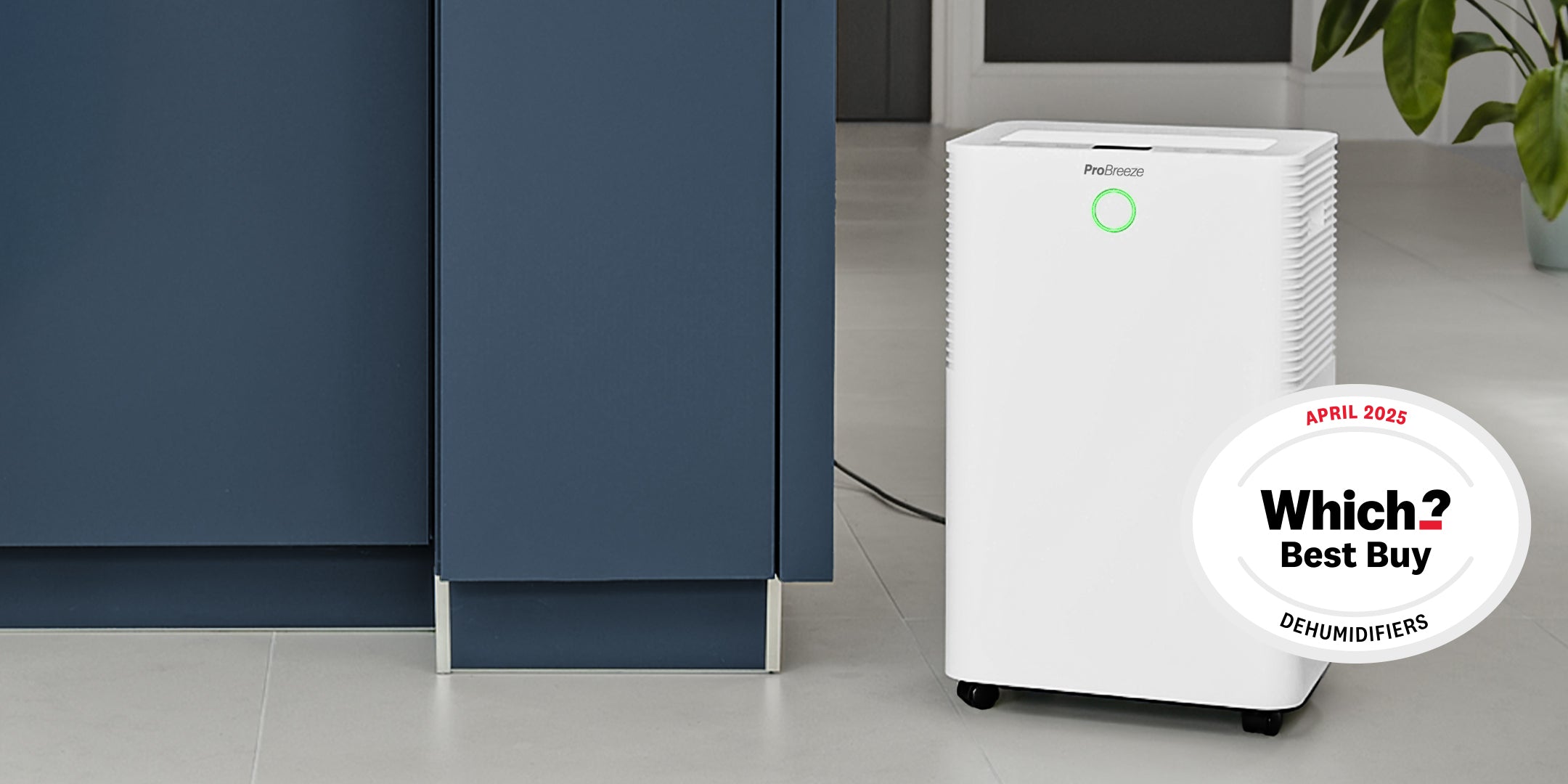
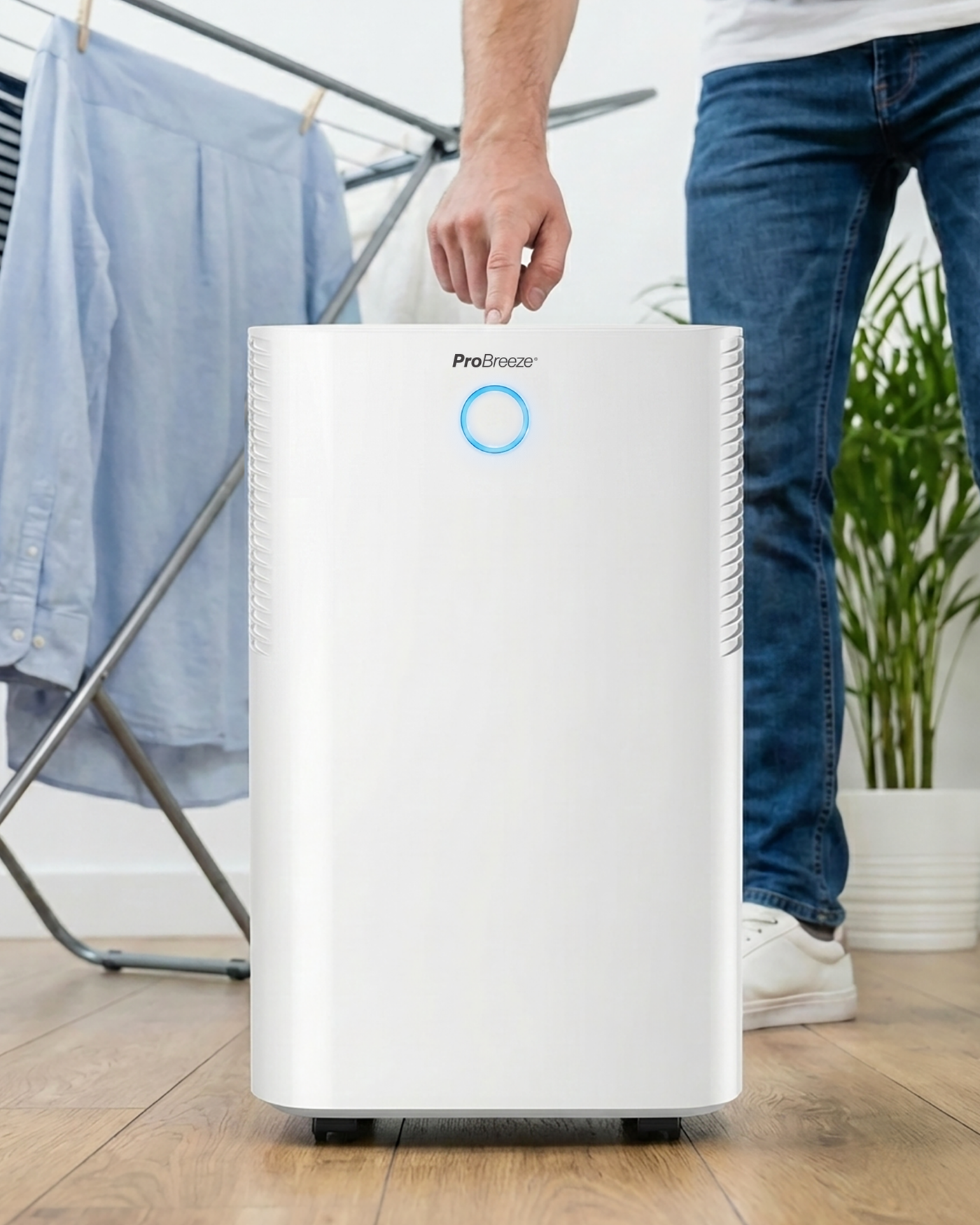
A dehumidifier works by pulling humid air into the unit, removing moisture, and releasing drier air back into the room. That one change can make a big difference for freshness.
It helps fabrics dry properly
When towels, laundry, bath mats, and soft furnishings dry faster, they’re less likely to develop that “damp” smell that sticks around.
It reduces the “heavy air” feeling that can make odours feel stronger
Humid rooms can feel stuffy — and odours can seem more noticeable. Drier air often feels **cleaner and lighter**, even before you’ve done anything else.
It supports a home that’s easier to keep fresh
Less moisture in the air can mean fewer “repeat offenders” — like the same wardrobe smelling musty again a few days after you’ve cleaned it.
Important (and reassuring): A dehumidifier isn’t an air freshener. It doesn’t cover smells with fragrance — it helps remove one of the key conditions that lets certain smells linger.
Do I “need” one to get the freshness benefit?
Not necessarily, and that’s the nice part.
You don’t have to wait for a serious damp problem to make a dehumidifier worthwhile. For lots of households, it’s simply a quality-of-life upgrade: a calmer, fresher-feeling home with less effort.
If you enjoy that “just aired out” feeling but don’t always have the weather, time, or layout to make it happen - a dehumidifier can be a little luxury that quietly improves daily life in the background.
Small signs moisture might be behind the smell
You might not see obvious damp patches. Often it’s subtler than that.
Look for:
- A musty smell that’s stronger in the morning
- Wardrobes that smell stale even after you’ve washed clothes
- Towels or laundry that dry slowly and smell “wet”
- Bathrooms that feel damp for hours after showering
- A room that feels stuffy even when it’s tidy and clean
If you’ve got one or two of these consistently, reducing humidity is a sensible next step.
How to use a dehumidifier for fresher-feeling rooms (simple tips)
You don’t need a complicated routine. Start here:
- Put it near the issue (wardrobe/bedroom/bathroom/utility room)
- Close windows while it runs (otherwise you’re drying the outdoors)
- Give it space for airflow (not tight behind curtains or furniture)
- Use it consistently for a few days to notice the difference
- Keep it maintained (empty tank, clean filter as recommended
Quick freshness routines that work well
- After showers: run it for a short period to pull moisture down faster
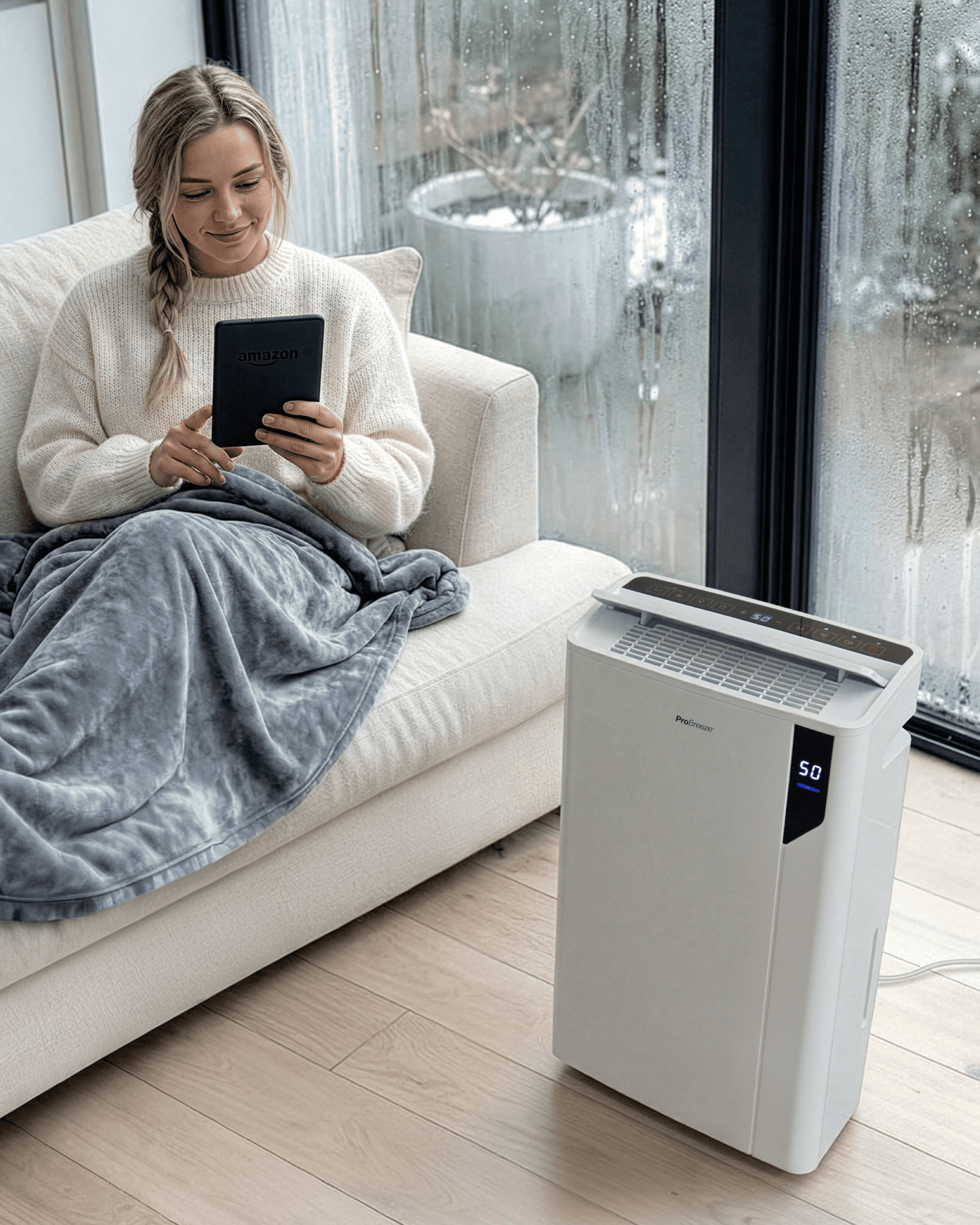
- Laundry days: place it near the drying rack (safely, with airflow)
- Musty wardrobes: run it in the room and keep wardrobe doors slightly open occasionally to let air circulate
FAQ
It can help reduce **musty, damp odours** that are linked to moisture. For strong source smells (like smoke, cooking, or pets), you’ll still want good cleaning and ventilation — but balancing humidity can make freshness easier to maintain.
Air freshener can cover a smell. A dehumidifier helps tackle a common underlying cause: excess moisture. Many homes benefit from using it alongside normal cleaning.
Start in the room where the smell is most noticeable (often bedrooms, wardrobes nearby, bathrooms, or utility spaces).
The Takeaway
A dehumidifier can help reduce musty smells by removing excess moisture from the air — supporting faster drying, lighter-feeling rooms, and a home that stays fresher with less effort.
It’s not just a “fix”. For many households, it’s a simple comfort upgrade - comfort made clear.
Next step: Explore dehumidifiers and find the right dehumidifier for your space.