


Please select your location so we can direct you to the correct store.

Benefits of a dehumidifier: damp & mould focus
If you’ve ever wiped down steamed-up windows, noticed a musty smell in a bedroom, or spotted damp patches in a corner, you’ve experienced excess moisture in the home.
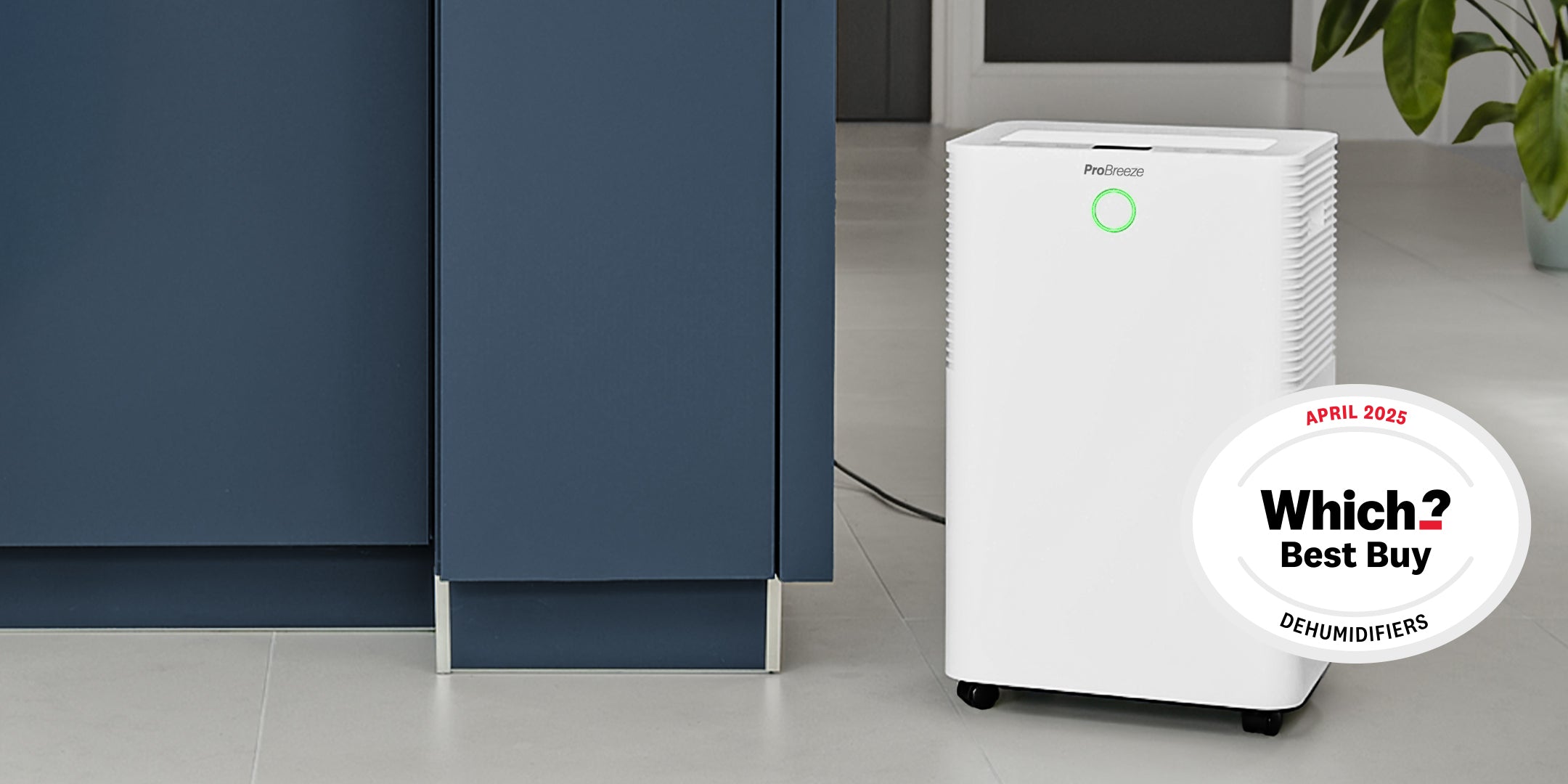
A dehumidifier helps by removing moisture from the air, making it easier to manage condensation and creating a home that feels fresher and more comfortable. Think of it as a quiet, practical helper that supports your space day-to-day.
The quick answer: how a dehumidifier helps with damp and mould
Damp and mould are closely linked to moisture in the air. A dehumidifier lowers humidity by pulling excess water vapour out of the room and collecting it in a tank (or draining it away).
That can mean:
- Less condensation on cold surfaces
- Less “damp” feeling in the air
- Conditions that are less favourable for damp and mould to take hold
Why damp happens in homes (even clean ones)
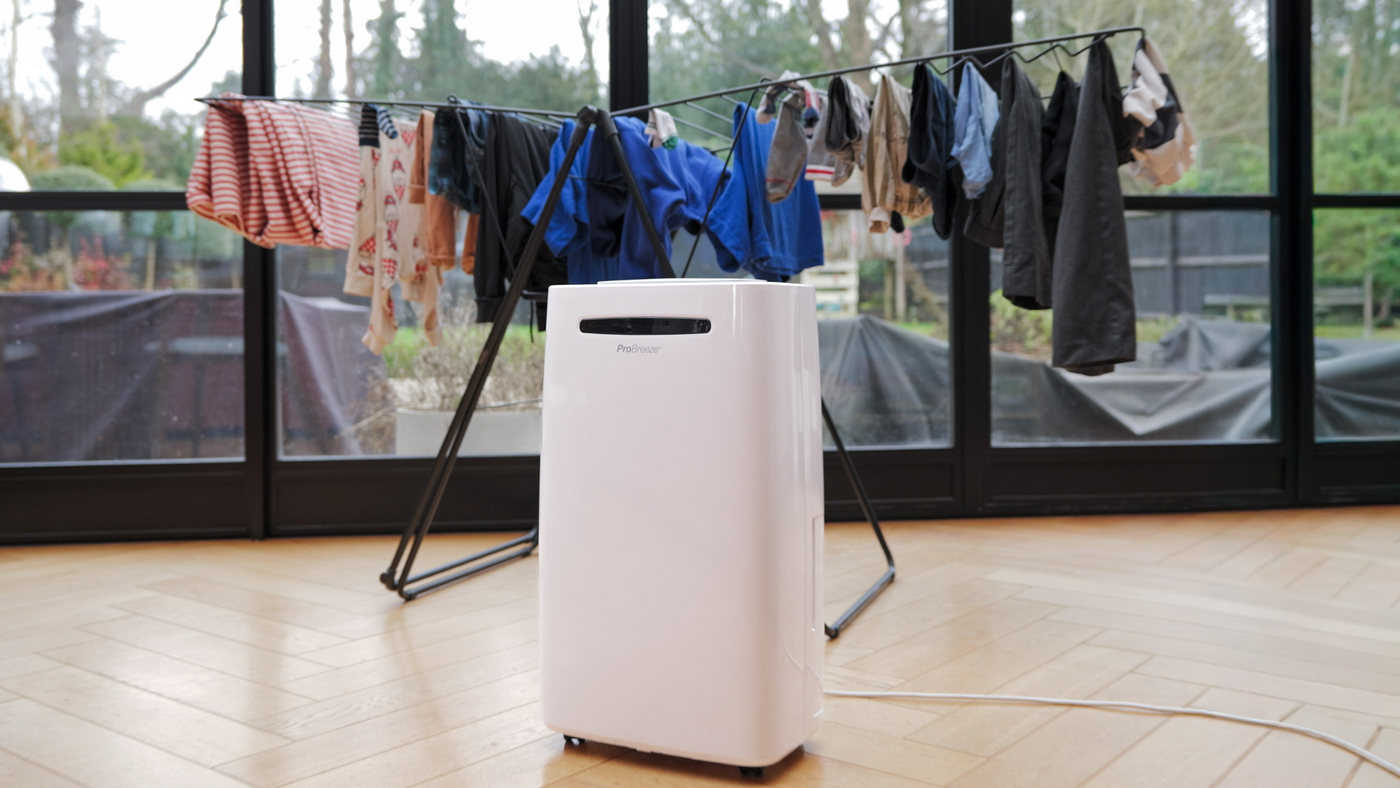
Moisture builds up in normal everyday life. It doesn’t mean your home is dirty — it often means the air is holding more water than the room can comfortably handle.
Common sources include:
- Showers and baths
- Cooking and boiling kettles
- Drying clothes indoors
- Poor airflow in colder corners (behind furniture, wardrobes, north-facing rooms)
- Seasonal weather changes
When humid air meets a cold surface (like a window or an external wall), moisture can turn into condensation and that’s where damp problems can start.
The simple science: what mould needs
Mould thrives when moisture hangs around for long periods — especially in cooler, less ventilated spots. That’s why it often appears in corners, behind wardrobes, or around windows.
A dehumidifier helps by reducing the moisture available in the air. It’s an important part of a ‘drier home’ routine alongside good habits like ventilation, steady heating, and addressing leaks if you have them.
If you already have visible mould, you’ll still want to clean it safely and tackle the cause, but controlling humidity can help stop it coming straight back.
Benefit 1:
Less condensation on windows and cold walls
Condensation is one of the most common signs of excess humidity. When the air is holding too much moisture, it often shows up first on the coldest surfaces.
By lowering humidity, a dehumidifier can help reduce how often windows steam up and how quickly moisture returns after you’ve wiped it away, making the home feel easier to manage.
Benefit 2:
A home that’s less hospitable to damp-prone conditions
Damp and mould love consistently moist environments. A dehumidifier doesn’t ‘mask’ the problem — it tackles the moisture in the air that creates the conditions for damp to linger.
Used consistently in the right space, it can support a home that feels drier, fresher, and less prone to that damp ‘cycle’ — particularly in bedrooms, basements, bathrooms and utility areas.
Benefit 3:
Fresher-smelling rooms, wardrobes and soft furnishings
That musty smell is often moisture trapped in fabrics, carpets, and soft furnishings — especially in rooms that don’t get much airflow.
Reducing excess humidity can help rooms feel fresher, and can be especially helpful around:
- Wardrobes and storage areas
- Guest rooms that stay closed
- Corners behind sofas or beds
- Homes with lots of soft furnishings
Benefit 4:
Helping protect your home and belongings
Excess moisture doesn’t just affect how a room feels — over time it can impact paintwork, wallpaper, window frames and stored items.Keeping humidity more balanced can help protect:
- Walls and window areas prone to condensation
- Wooden furniture and floors
- Books, clothes and stored linens
- Electronics and items kept in cupboards
Benefit 5:
Everyday comfort and a ‘little luxury’ feeling home
Even if you don’t have severe damp, a dehumidifier can still be a comfort upgrade. Drier air often feels lighter and less “heavy”, which can make rooms feel more pleasant — especially in winter when windows are closed.
It’s one of those quiet appliances that doesn’t demand attention, but can make day-to-day living feel easier and calmer. Comfort made clear.
How to use a dehumidifier for damp
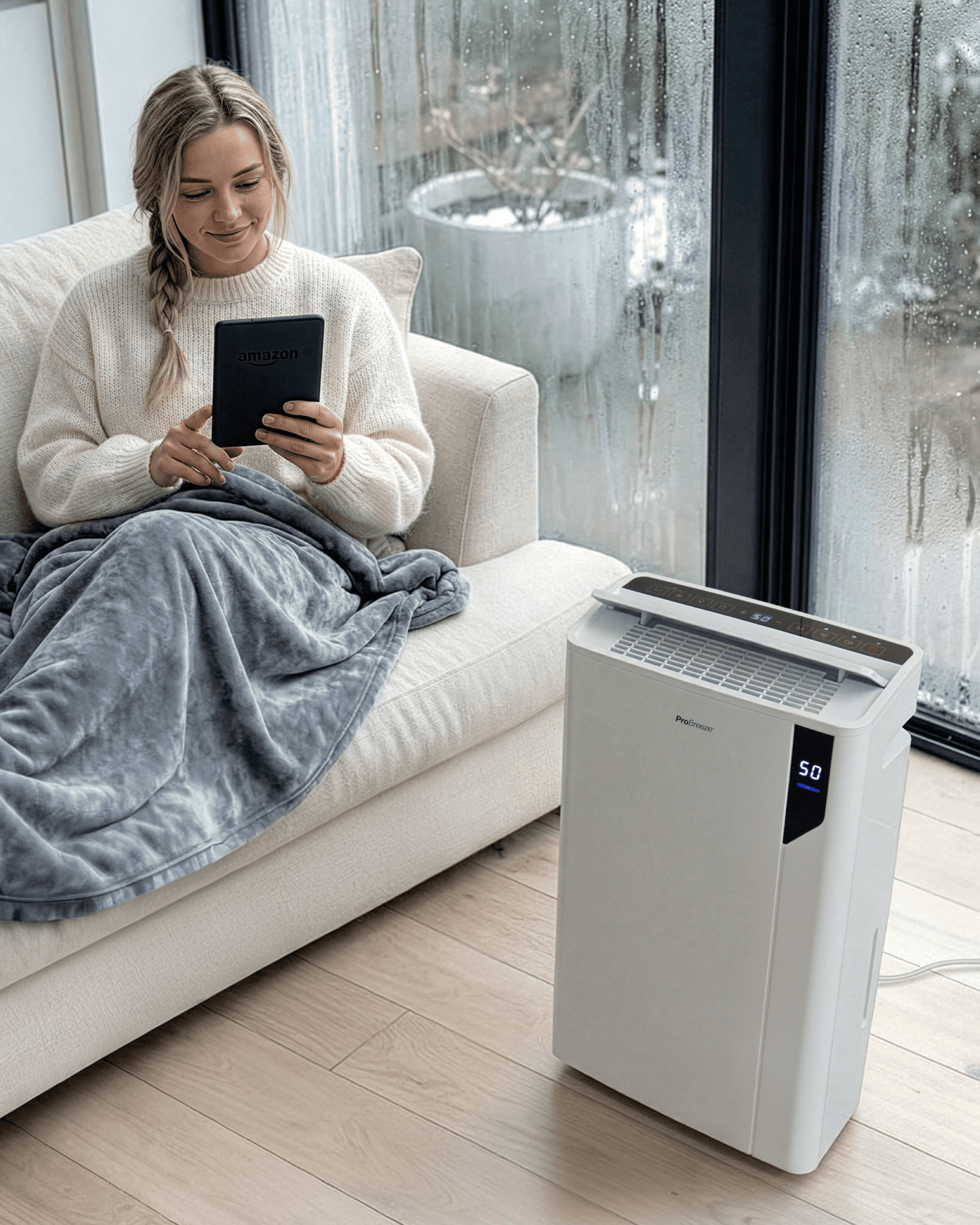
You don't need to overthink it. Start where the problem is most noticeable.
- Place it in the dampest room or the space with the most condensation
- Close windows while it's running (otherwise you're drying the outdoors)
- Give it breathing space - don't push it tight into corners
- Let it run consistently for a few days so the room can stabilise
- Empty the tank as needed (or set up continuous drainage if available)
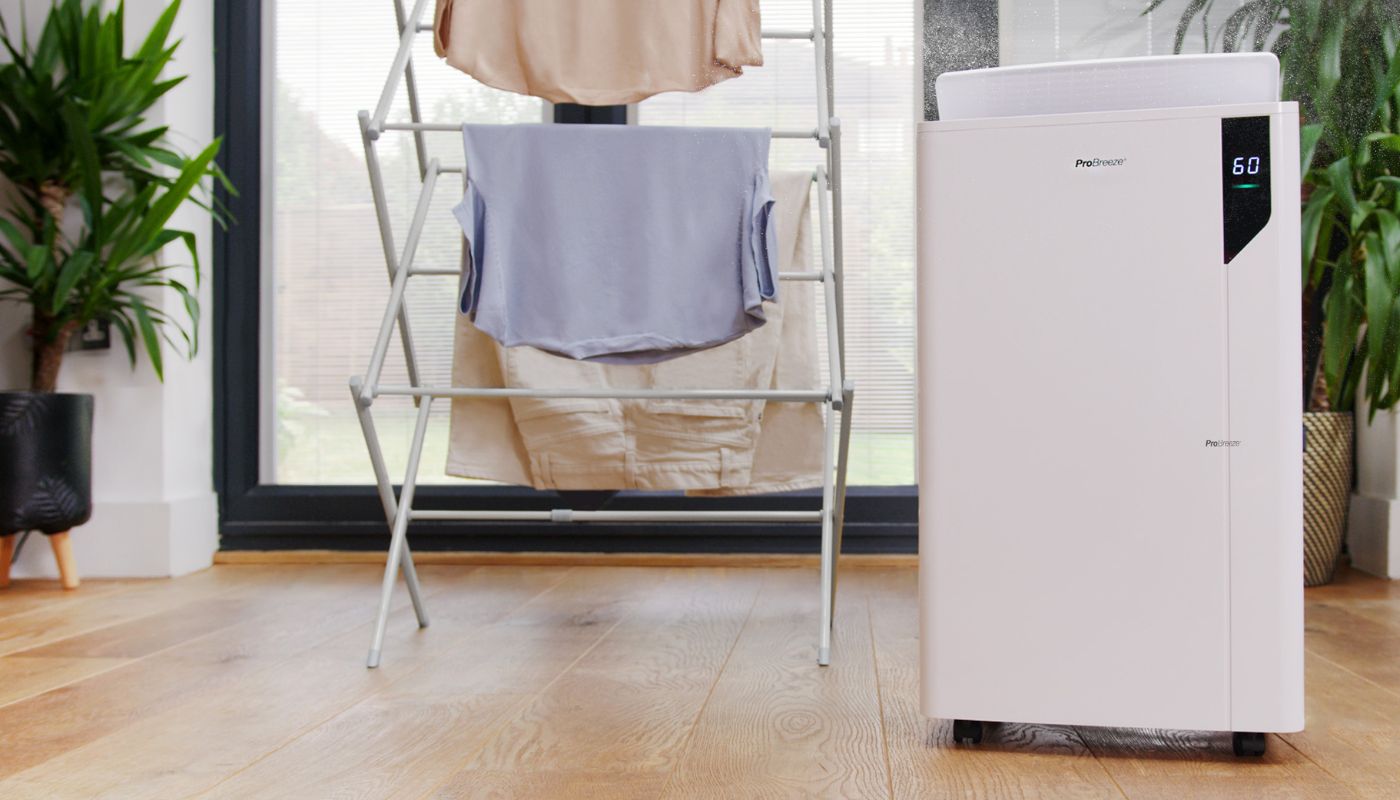
Where to place it (and what to avoid)
Good placements:
- Near windows that regularly steam up (with safe clearance)
- In bedrooms that feel clammy or smell musty
- In basements, utility rooms, or colder corners
- Near wardrobes or storage areas that hold moisture
Avoid:
- Blocking the air intake/outlet (tight corners, behind curtains)
- Running with windows wide open
- Placing directly against damp walls — allow airflow around the unit
FAQ
It helps by reducing moisture in the air (which mould needs), but visible mould should still be cleaned safely and the underlying cause addressed.
Usually, no. A dehumidifier works best in a more closed space so it can reduce humidity efficiently.
It depends on the room and the conditions. Many people start with longer sessions to improve the room, then use it regularly to maintain comfort.
Compressor models suit typical indoor temperatures. Desiccant models can be a good option in cooler spaces. Start with your room and the problem you’re solving.
The Takeaway
A dehumidifier removes excess moisture from the air — which can help reduce condensation, support a fresher-feeling home, and make damp-prone rooms easier to manage.
It’s not just a ‘fix’ for problem homes. For many households, it’s a simple comfort upgrade that makes everyday living feel better — quietly, reliably, and without fuss.
Next step: Read the full guide and find the right dehumidifier for your space. Comfort made clear.